Cover image: Bon Appétit magazine. Photo by May Gauthier on Unsplash.
The decline of print media has been the subject of discussion for years, with newsrooms closing as advertisers shift their focus online, and magazines like Glamour transitioning from print to a digital-first strategy. Legacy media struggled to adapt and survive in the digital era, as shown by the disappearance of Australian titles such as Cleo, Grazia and Elle from newsstands.
Appearing to successfully weather the digital storm, however, is Bon Appétit (BA) magazine, which boasts over six million monthly print readers and over 10 million followers across their social platforms. So how has the pioneer of the overhead food photography loved by the #foodstagram community distinguished themselves from their print peers?
Embracing the Digital and its Affordances
Recognising the advantages of the various platforms that emerged in the digital space, BA leveraged their understanding of their audience and looked to diversify their online presence accordingly.
While their print audience may be ardent food enthusiasts or home cooks who pore over each issue, the transition to digital enables readers to pick and choose the specific content they are interested in while on-the-go, rather than invest time and money in the entire magazine.
For readers simply looking to satisfy their chocolate chip cookie cravings, BA’s website features straightforward recipes (minus the long-form essays that are staples of food blogs), but also caters to those looking to read more in-depth articles about specific cuisines or food trends sweeping across the industry.
The rise in popularity of video content has also significantly influenced BA’s digital strategy. The accessibility of video — in terms of production and the viewers it reaches — enabled BA to bring food to life through a different medium. Where the Food Network created a loyal following of foodies, making cooking shows popular and once dominated the culinary industry’s video production, the emergence of participatory platforms like Youtube allowed BA to branch out and reach a wider range of audiences as well.
Starting off with straightforward “how-to” videos in 2012, BA then began experimenting more with their video content by incorporating travel pieces, interviews and introducing regular hosts. It was in 2016/2017 that they found they found their footing in the Youtube space, gaining a loyal online following and making celebrities out of their video presenters.
BA’s multimedia approach also included expanding to the podcast universe with Foodcast. The podcast features interviews with industry professionals and gives commuters and joggers a behind-the-scenes look at BA’s operations, with their staff members making frequent appearances to chat about their recipe creation process, the latest fads, and their favourite foods (including this three-part saga on the wonders of rice).
Embracing Community & Utilising a People-centric Approach
In 2015, Buzzfeed launched Tasty, their food content division. Tasty productions frequently went viral, with their signature disembodied hands-only straight-to-the-point recipe videos that were usually only a few minutes long.
In contrast, BA’s Youtube success was largely due to the humanisation of their brand, and by taking a more personal approach to their digital content. By featuring regular hosts in their videos, viewers have familiar faces that they can associate with the brand, and each host has the opportunity to showcase their personalities and skills on camera.
Most of the video content is captured in the BA test kitchen, where the chefs can often be spotted in the background of another host’s video, and frequent cameos are made as the coworkers frequently drop in to offer both solicited and unsolicited advice.
Unlike Tasty’s initial approach, BA’s video strategy enabled them to expand past the food enthusiast circle and tap into a whole other audience —those who may not necessarily watch wanting to recreate the dish demonstrated, but are there for the community of hosts and the interactions they have with each other.
Given the complexity of the actual final recipe, it is unlikely that the majority of viewers of Claire Saffitz’s creation of a gourmet version of a Kit Kat would actually attempt the process themselves. However, the video has clocked in over 10 million views, as have several of her other videos in the series, all owing to Saffitz’s admirable painstaking recipe development process, her relatable inevitable breakdown in the middle, and the collective joy shared by her colleagues as she presents her final product for sampling.
The reality show-style approach BA has employed has led to the cultivation of fan communities online. BA meme accounts were set up (attracting over 300,000 followers), the videos frequently trended on Youtube and Twitter, and in true internet fashion, #IWDFCFTBATK (I Would Die For Claire From The Bon Appetit Test Kitchen) became a meme and a recurring trending hashtag on social media.
BA themselves have acknowledged and capitalised on the popularity of their content producers in the online community by featuring them on the cover of the magazine and releasing related merchandise.
Meme created about BA hosts. Credit: meme_appetit via Instagram.
Embracing Authenticity Online
Part of BA’s digital media success rests on the authenticity aspect of their videos. This is a rather stark contrast to the legacy media image typically associated with Condé Nast: the slick productions and highly polished content of publications like Vogue and GQ.
However, BA’s reliance on authenticity reflects an overall shift in the digital landscape. Where Instagram accounts previously revolved around curated, thoroughly edited feeds and crafted personas, there has been a gradual shift towards the showcasing of real and authentic lives online.
With the Food Network and Tasty showing perfect creations in a single attempt, BA’s unscripted video style is candid, and often includes hosts stumbling over their words, mistakes made, messes created, and fires accidentally started in the kitchen.
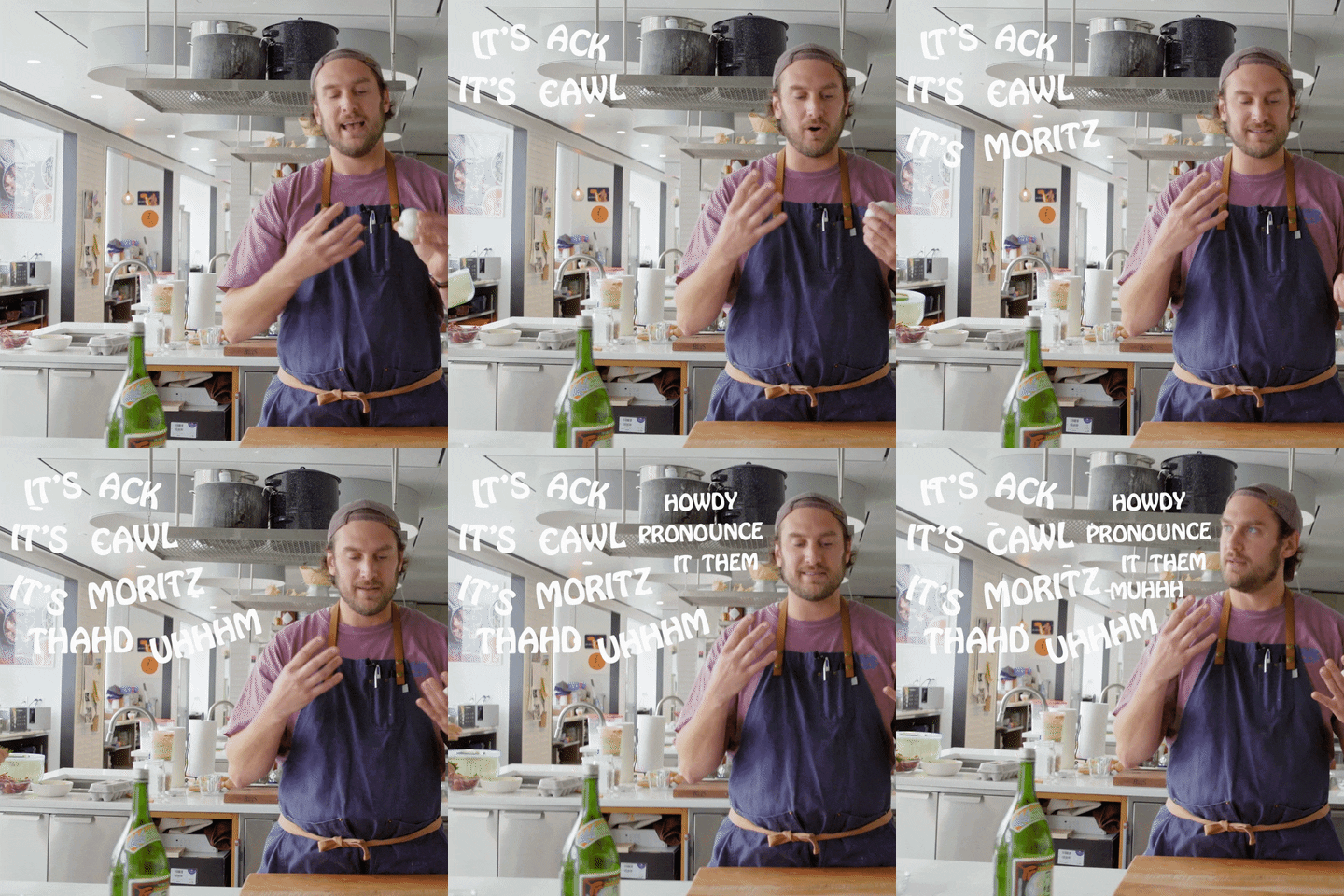
In a video series on doughnut making, Saffitz and Brad Leone’s disastrous attempt is well documented, showing viewers that cooking does not always go as planned, even for professional chefs.
“This is how it goes sometimes. Things go wrong. That’s the beauty of cooking, I guess.”
— Brad Leone in Brad and Claire Make Doughnuts Part 2: The Disaster | It’s Alive | Bon Appétit (21:34)
From Print to Digital
BA’s usage of multiple digital platforms, combined with their people-focused approach with a focus on authenticity have been key to their successful transition from a food print magazine to multi-faceted lifestyle brand. As former editor-in-chief Adam Rapoport put it, BA in the digital era is “whatever you want it to be. Even a magazine”.
 KHRISTY CHOO